
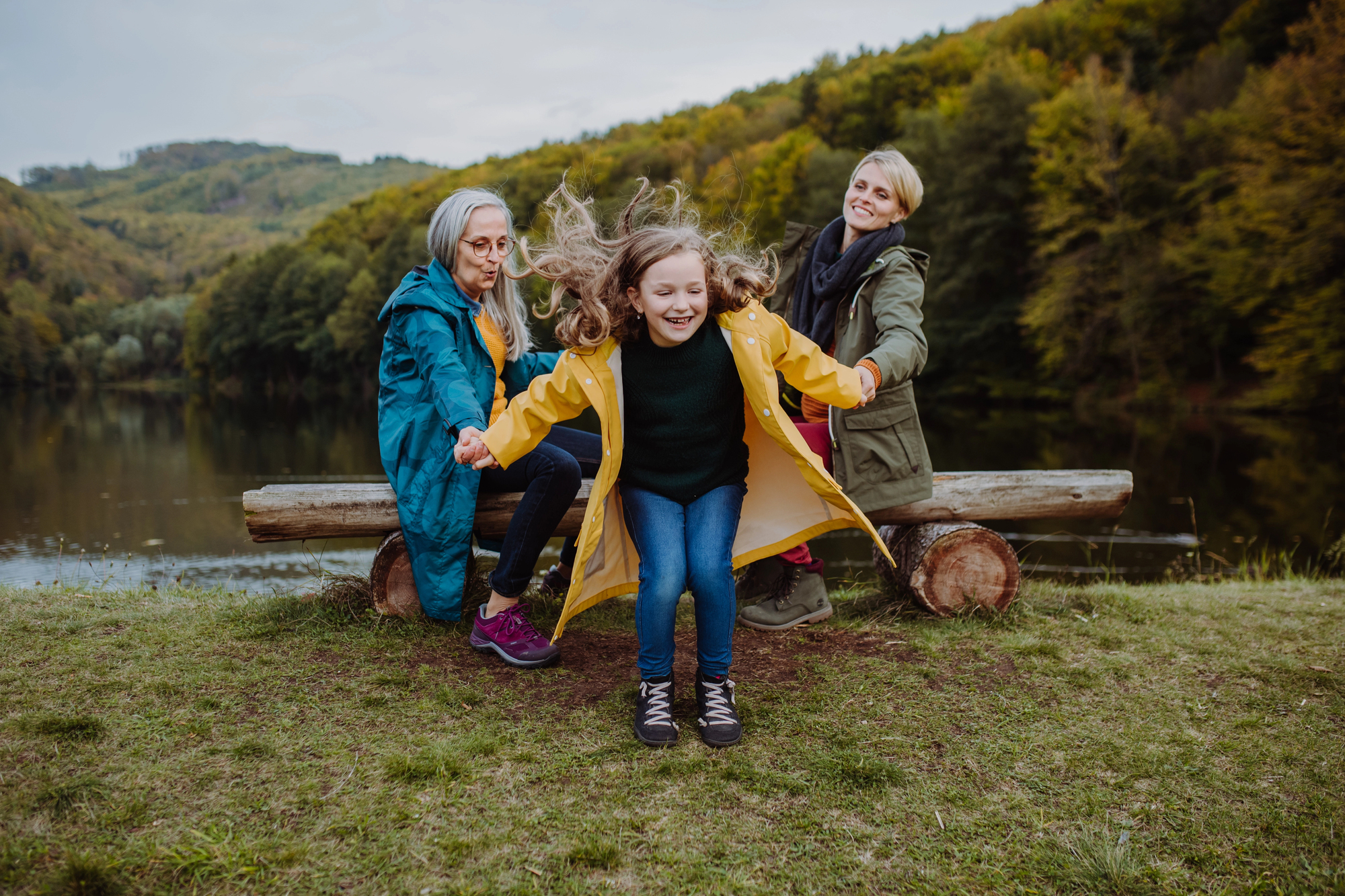
Family photography is rarely just a quick booking in the diary. For your clients, it often means capturing a stage of life that already feels like it’s moving too quickly - and that can come with a surprising amount of pressure behind the scenes.
A smoother client journey helps take some of that pressure away. It gives families the right info at the right time, so they feel more prepared before the session and less unsure about what happens next.
It also makes your side of the process easier to manage, because you’re not trying to remember every tiny detail, resend the same information or answer the same questions over and over again.
So, whether your process is still quite simple or has slowly grown into something more complicated than it needs to be, this is about making your family photography client journey feel smoother, calmer and easier to manage.
Why A Clear Client Journey Matters So Much in Family Photography
A good client journey isn’t about making things feel professional by sending ten emails in the lead-up, creating an overcomplicated workflow, or making your process feel so polished that it loses all personality.
It’s really about making your clients feel looked after from the beginning.
Family photography clients often have more nerves than they let on. They’ll probably be excited, of course, but there’s usually a little voice in the background asking all the practical questions: “What should we wear? Will the kids behave? What if the baby needs feeding? What if everyone feels awkward? What if we turn up and immediately forget how to act like normal humans in front of a camera?”
A clear client journey can take some of that pressure away. It gives families little pockets of reassurance before they even realise they need them; whether that’s a super helpful quick reply, a prep guide, or just a reminder that their children don’t need to perform like tiny professionals for the session to work. And that reassurance also helps give clients an experience they’re more likely to remember, meaning they’ll be more likely to talk to friends about your business and even come back when they’re ready for the next family update.
And it helps you too. Because when your process is clear, you spend less time answering the same questions, chasing missing details, re-sending information and thinking, “I’m sure I told them this somewhere…” while scrolling through your inbox trying to find the thread.
First Impressions Start Before They Enquire
Before someone fills in your contact form, they’ve already started forming an opinion. Not in a scary “they’re judging your entire business in three seconds” way. More in a “does this feel easy, clear and right for us?” kind of way.
Your website or social media profiles are usually the first proper part of the client journey, so it needs to do more than show your stunning photos. The images matter, sure - they’re probably the reason someone landed on your site in the first place - but once they’re there, they also need enough information to feel confident taking the next step.
Families should be able to quickly understand what kind of sessions you offer, where you’re based, how the process works and what happens after they enquire.
A simple “how it works” section on your site (or a pinned post at the top of your social media page) can do a lot of the heavy lifting. So can clear enquiry buttons, helpful location details, a few FAQs, and a contact form that tells people what to expect after they tap send.
Because if someone is already juggling work, school runs, nap times, meal prep, outfit planning and the general life admin of getting everyone photo-ready, they do not want to play detective on your website.
Make the next step obvious, and their overwhelmed brain will thank you.
Make the Enquiry Process Feel Easy
Once someone has taken the time to enquire, your first reply sets the tone for what working with you is going to feel like throughout the whole journey.
This doesn’t mean you need to be writing a huge essay or trying to fit your entire personality, pricing structure and life story into one email. It just means replying in a way that feels warm, helpful and clear.
A good first enquiry response should make families feel like they’ve landed in safe hands. It should thank them for getting in touch, answer the questions they’re most likely to have, and make the next step feel simple. That might be checking availability, choosing a package, booking a call or completing a short form. Whatever your process is, the client shouldn’t have to guess.
This is where templates can be a total lifesaver.
And no, templated emails doesn’t mean they have to be robotic. A good template should still sound like you; it just means you’re not staring at a blank screen every time someone asks about a family session, trying to write the same friendly reply for the 47th time. You can still tweak the template to add a few personal details about things like their children, the kind of session they’re interested in, or anything specific they’ve mentioned. The bones are already there; you’re just making it feel like theirs.
If this is something you know you need to sort, our blog on setting up email templates as a photographer is a useful next step.
What your first reply should include
Your first reply doesn’t need to cover everything they'll ever need to know (that comes later).
At this stage, it just needs to make them feel acknowledged, reassured and clear on what happens next. A strong enquiry reply usually includes:
- A thank you for getting in touch
- Confirmation of availability, or a clear next step if you need more information
- A short explanation of the session or package they’ve asked about
- Any key details they need at this stage
- A simple next action, such as booking a call, completing a form or confirming a date
The goal is to remove the awkward “what now?” feeling. Because when someone has finally got around to enquiring (probably after thinking about it for weeks), making the next step easy can make all the difference.
Keep Clients Reassured Before Shoot Day
The gap between booking and shoot day is where a lot of client journeys go a little quiet.
From your side, everything feels sorted: the date is booked, the invoice has been sent, and you have a plan for exactly what’s going to happen on the day.
But from the client’s side, this is usually when all of those ‘what if’ questions start bubbling up.
A prep guide is one of the easiest ways to make clients feel way more relaxed before the session. It answers the questions they're probably already thinking and gives them the reassurance that you’ve done this before. Which, of course, you have - a thousand times, probably - but sometimes clients need to feel that before they can really settle.
What to include in a family photography prep guide
A family photography prep guide doesn’t need to be a mega 37-page handbook on how to attend a photoshoot. They need clear, useful information that makes the day feel less unknown. You might want to include the finer details, like:
- Where to go and how to get there
- What to wear, and what to avoid
- What to bring
- Rough timings
- What happens if the weather changes and your shoot is outdoors
- How the session is likely to flow
- What to expect if children are shy, tired, giddy or very much wanting to do their own thing
And that last point is the one that really matters. Parents often worry that their children need to be perfectly behaved for the session to work. They don’t. And saying that clearly, before they arrive, can take so much pressure off.
It can also reassure them that, having done this so many times before, you’re really not expecting perfection. You’re making space for real family moments - even if that includes a snack break, a cuddle, a wobble, or five minutes pretending the camera doesn’t exist.
Create Calm During the Session
By the time clients arrive, the groundwork has already started doing its job. If they’ve had clear communication, useful reminders and a prep guide that answered their questions, they’re more likely to arrive feeling prepared rather than panicked.
But family sessions are still family sessions.
It’s incredibly rare for children to perform on cue; babies have their own schedule; toddlers can go from angelic to anarchy in 0.35 seconds; and older children might suddenly forget how to smile. That’s all part of the job.
What matters is how you hold the energy when things don’t go exactly to plan. If you stay calm, flexible and reassuring, parents are far more likely to relax too. And when parents relax, the kids relax and the whole session feels easier for everyone.
It can help to set expectations early, letting families know you’re not aiming for stiff perfection, that breaks are fine, and that the best moments often happen in between any poses.
After all, you and I both know the photos people love most are the ones nobody could have planned - even you.
Make Gallery Delivery Feel Thoughtful
Gallery delivery is easy to treat like the final admin job - the editing’s done, the link’s gone out, and the job is practically ticked off.
But for your clients, this is the moment they’ve been waiting for. They’re about to see the photos properly for the first time, probably with a cup of tea in hand and at least one person saying, “Scroll slower!”
So it’s worth making that moment feel thoughtful.
A warm enthusiastic delivery email can make a big difference. It might include a small personal note about the session, a little reminder of a really nice moment that stood out, or simply a line about how lovely it was to work with them.
It doesn’t need to be OTT or take you half an hour to write; just enough to make it feel like this is their gallery, not just another link being sent out.
The practical details matter too. Include a little explainer on how to access the gallery, how to download the images, how long the gallery will stay live, whether they can share the link, and how to order prints or products if that’s something you offer.
The easier you make it, the fewer questions come back to you later… And the more your clients can simply enjoy the thing they booked you for.
Use Systems to Keep the Journey Consistent
This is the part where a lot of photographers, especially freelancers, often think, “Yes, lovely idea. But when exactly am I supposed to do all this?”
The answer is a proper system.
We’re not talking about soulless automations or just turning your client experience into a conveyor belt. Just simple, well-timed systems that keep everything moving without relying on you to remember every tiny detail.
For photographers and creatives who want an all-in-one CRM-style setup, Dubsado and Studio Ninja are both strong contenders. They can help with enquiry forms, workflows, contracts, invoices, reminders, questionnaires and client communication - all in one place. Dubsado is built for service-based creative businesses, while Studio Ninja is designed specifically for photographers.
That said, not every system has to do everything.
If your main challenge is keeping track of where each client is in the journey, a project management tool like Trello or ClickUp can work really well. You can create columns or boards for enquiries, booked sessions, prep guide sent, shoot completed, editing, gallery delivered and follow-up needed. Nothing fancy - just a clear visual way to stop everything living in your head.
If email marketing or keeping in touch is the bit you want to improve, tools like Mailerlite or Flodesk can help you create and send newsletters, updates or email sequences without needing to build a full client workflow around them.
The main difference is that tools like Trello, ClickUp, Mailerlite and Flodesk each do one part of the job well. A photography/creative CRM like Dubsado or Studio Ninja can bring a lot of those moving parts together, which is why they’re often a better fit once you want your enquiry, booking, prep, invoicing and client communication processes working from one place.
The right setup depends on what you actually need help with. Maybe that’s a full CRM. Maybe it’s a simple board. Maybe it’s better email templates and a place to organise them properly.
Either way, the goal is the same: every client gets the same level of care, and you’re not having to rebuild the whole process from scratch every time someone books.
Which is better for them, better for you, and much kinder on your already very busy brain.
If you’re not sure which CRM is right for your photography business, our Dubsado vs Studio Ninja comparison blog is a good place to start. And whichever route you choose, remember that setting the system up is only half the job.
A VA can help you map out what needs to happen at each stage, build the templates, organise the workflows and keep things updated as your process changes. Because even the best system can get messy if nobody’s maintaining it (hello, half-finished workflows and mystery labels from 2022).
Final Thoughts
A smoother client journey doesn’t need to be complicated.
Most of the time, it’s the small things that make the biggest difference - a clearer first reply, a prep guide that answers questions before they’re asked, a reminder that arrives at the right time, or a gallery delivery email that feels thoughtful rather than rushed.
For family photographers, those little touchoints matter because clients are often carrying more uncertainty than they show. When the process feels calm and clear, they can relax into the experience. And when you’re not having to remember every tiny step manually, you can focus more of your energy on the actual photography.
That’s the sweet spot, really: A client journey that feels warm and personal for them, but simple and manageable for you, and memorable enough that clients are more likely to recommend you or come back when the next season of family life rolls around.
How Ashwood VA Can Help
If your client journey is one of those things you’ve been meaning to sort for a while, support from an experienced VA can make a real difference.
As a VA who works with photographers and creative businesses, we can help with the behind-the-scenes tasks that keep your client experience feeling smooth - from mapping out your process and writing email templates, to organising prep guides, setting up CRM workflows and keeping those systems updated as your business grows.
You can find out more about how Ashwood VA supports family photographers and creative businesses by:
.png)


